Each client can access their own control area.
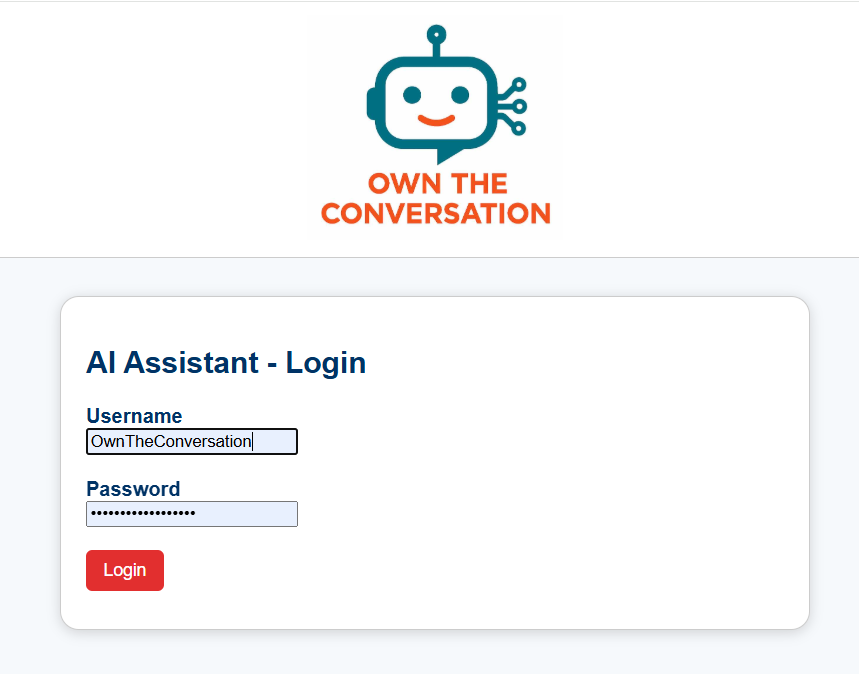
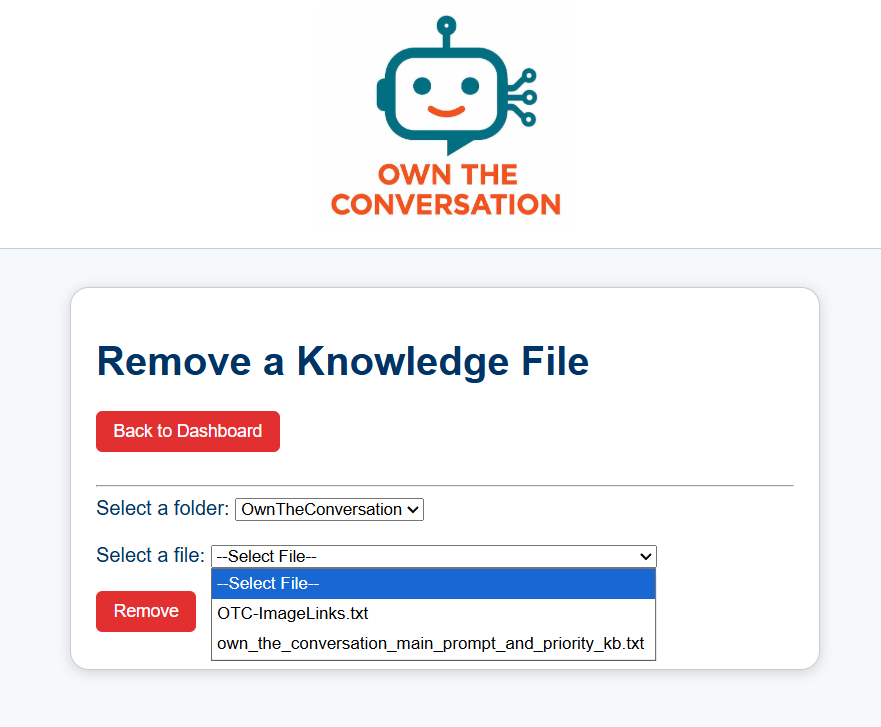
The system starts with protected login access so the business knowledge layer can be managed safely. This is the doorway into the client’s digital twin controls, not a public editing screen.
Manage Your AI Twin
A digital twin is not just a chatbot or a page. It is the living business brain behind your AI-ready presence. Own The Conversation gives you a simple control layer to upload, edit, replace and publish the information your AI assistant and public visibility layer depend on.
Why It Matters
AI systems work best when business information is clear, structured and current. If your services, listings, products, locations, image context or FAQs are missing or stale, you are leaving gaps that a better-structured competitor can fill.
That is why the management layer matters. It gives businesses a practical way to keep their AI-readable information fresh without rebuilding the website every time something changes.
Real estate listings, hotel details, tours, product ranges, golf course information, offers and FAQs all change. Upload new files, update records, add context, test the information and publish the clean version into the digital twin. Simple for the user. Powerful behind the scenes.
LLMs Favour Fresh Knowledge
We make it easy to keep your information up to date because LLMs prefer clear, current and structured knowledge.
Control Tour
Clients see the assistant on the front end, but the real value is the system behind it: protected login, file management, transcript control, structured editing, image context, AI-assisted descriptions, knowledge-base updates and vector-ready publishing.
The system starts with protected login access so the business knowledge layer can be managed safely. This is the doorway into the client’s digital twin controls, not a public editing screen.
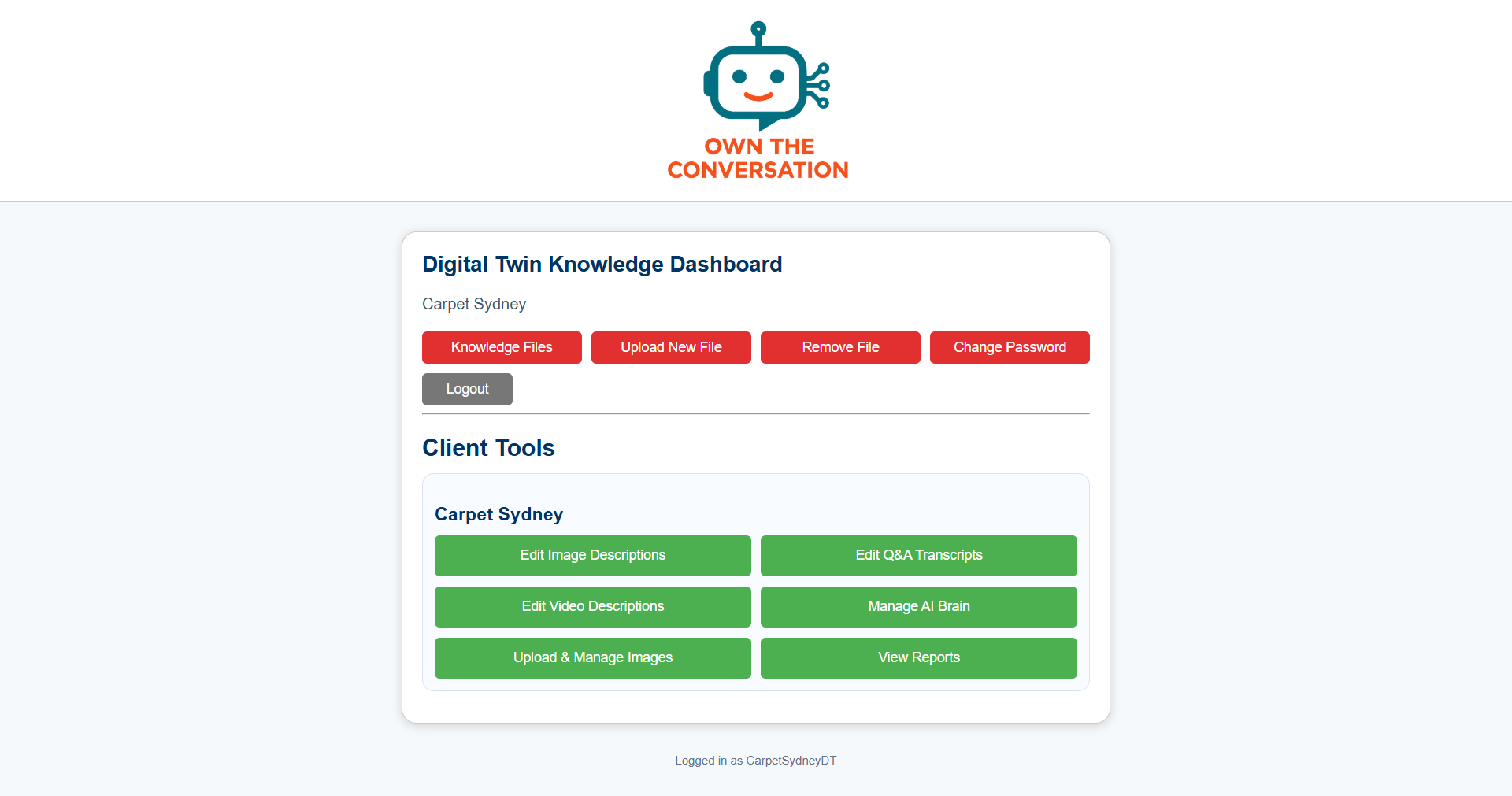
The dashboard keeps the important actions visible: manage knowledge files, view uploaded content, update transcripts, control vector data and work with the public/private business information layers.
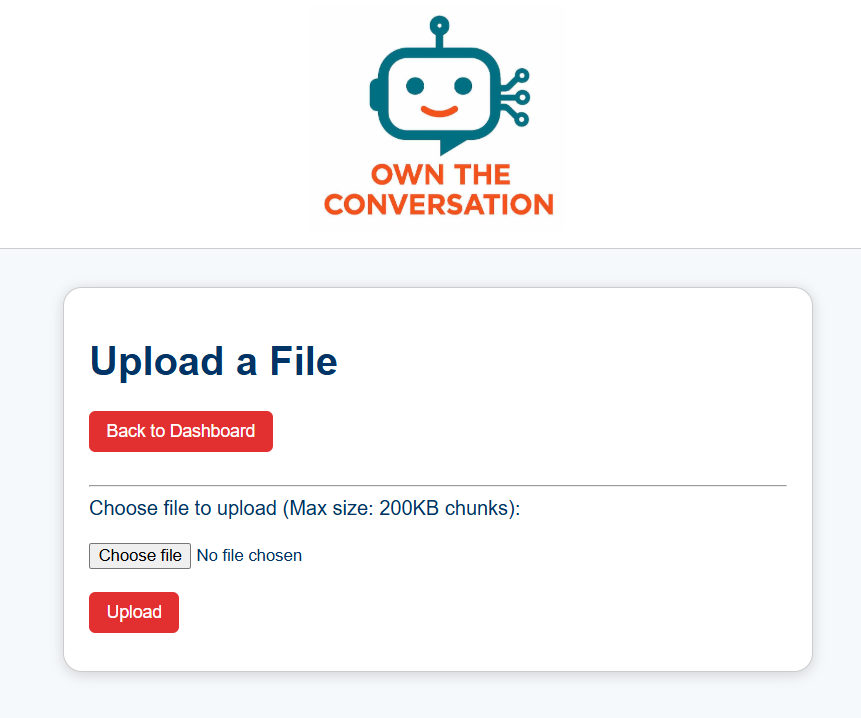
Real estate agents can upload listings. Product suppliers can add catalogue data. Hotels can update facilities and guest information. Any business with changing information can feed the digital twin with cleaner, more current source material.
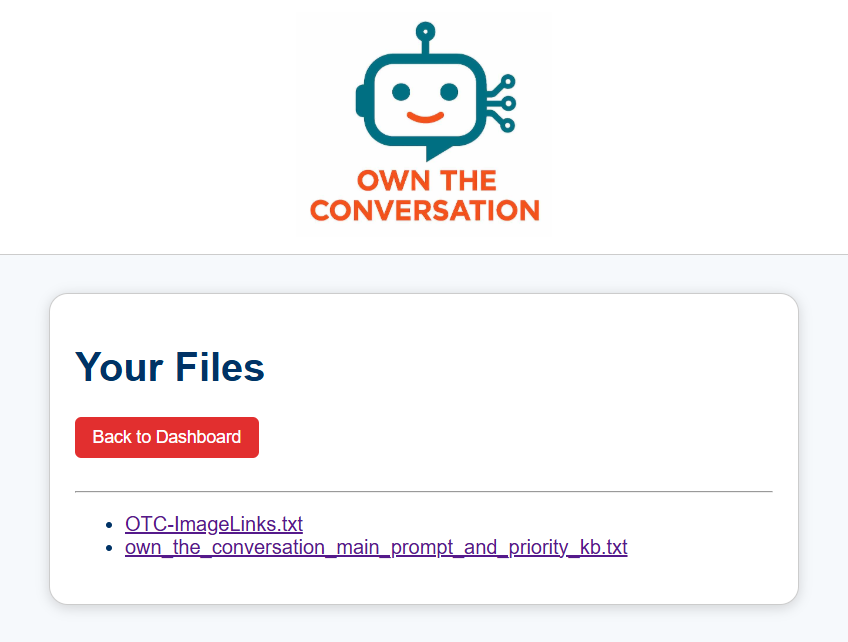
The control layer makes uploaded files visible and manageable. This helps businesses understand what information is currently feeding the assistant and what needs to be improved, replaced or removed.
When a service changes, a property sells, an offer ends or a product list is replaced, stale files can be removed. That is crucial for businesses where wrong information creates lost enquiries or customer frustration.
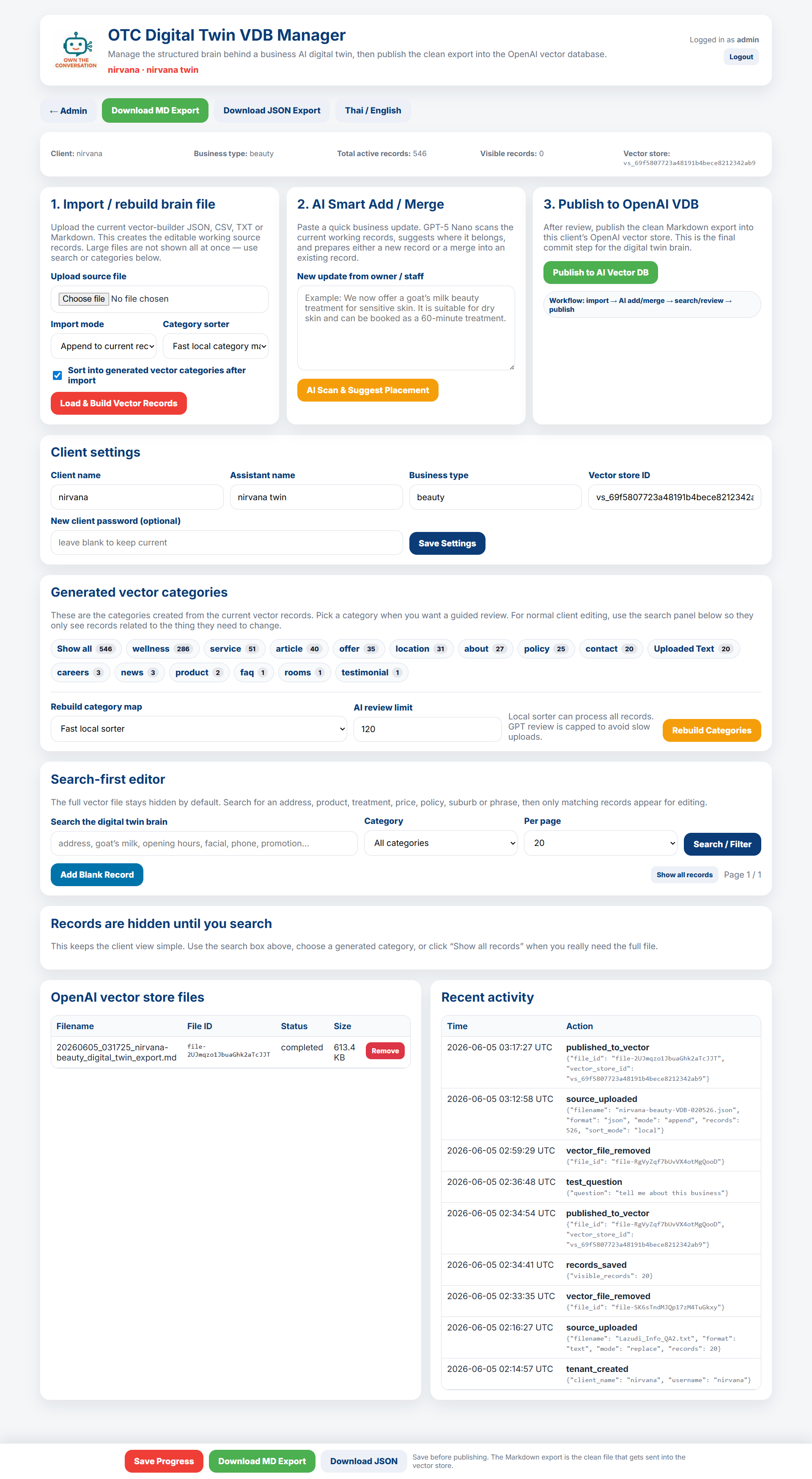
The VDB Manager turns source information into a clearer business knowledge layer. It can help create categories, summaries, search-ready records, private assistant knowledge and public visibility outputs that are easier for AI systems to retrieve and explain.
This is where the system becomes more than a chatbot. A business can search its structured knowledge, review what is currently stored, edit individual records, remove old information and add new data without rebuilding the whole website.
For real estate, that might mean finding a sold property, removing it from the active knowledge layer, uploading a new listing CSV, adding suburb context, improving the image descriptions and publishing the latest version so the assistant is answering from current information.
For any fast-moving business, the same idea applies: products, services, offers, pricing notes, FAQs, staff information, locations and proof points can be kept clean, searchable and ready for AI systems to retrieve.
That is how a business starts to truly own the conversation: by controlling the structured information that humans, assistants and future LLM discovery systems can understand.
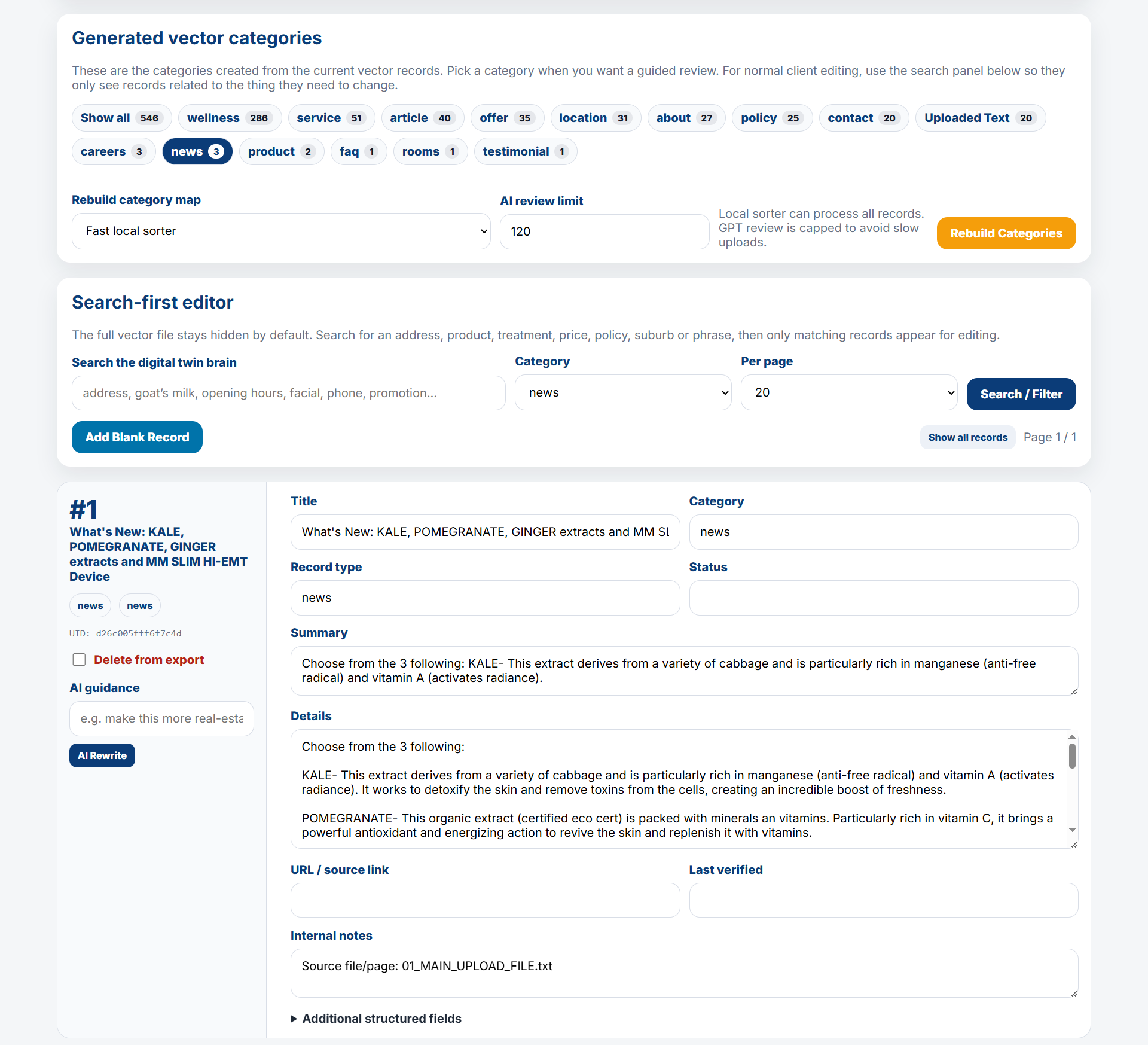
Search, filter and edit individual records. Add better descriptions, summaries, internal notes, source links and structured fields. This is where product context, listing context and service details can be clarified so the AI twin is not guessing.
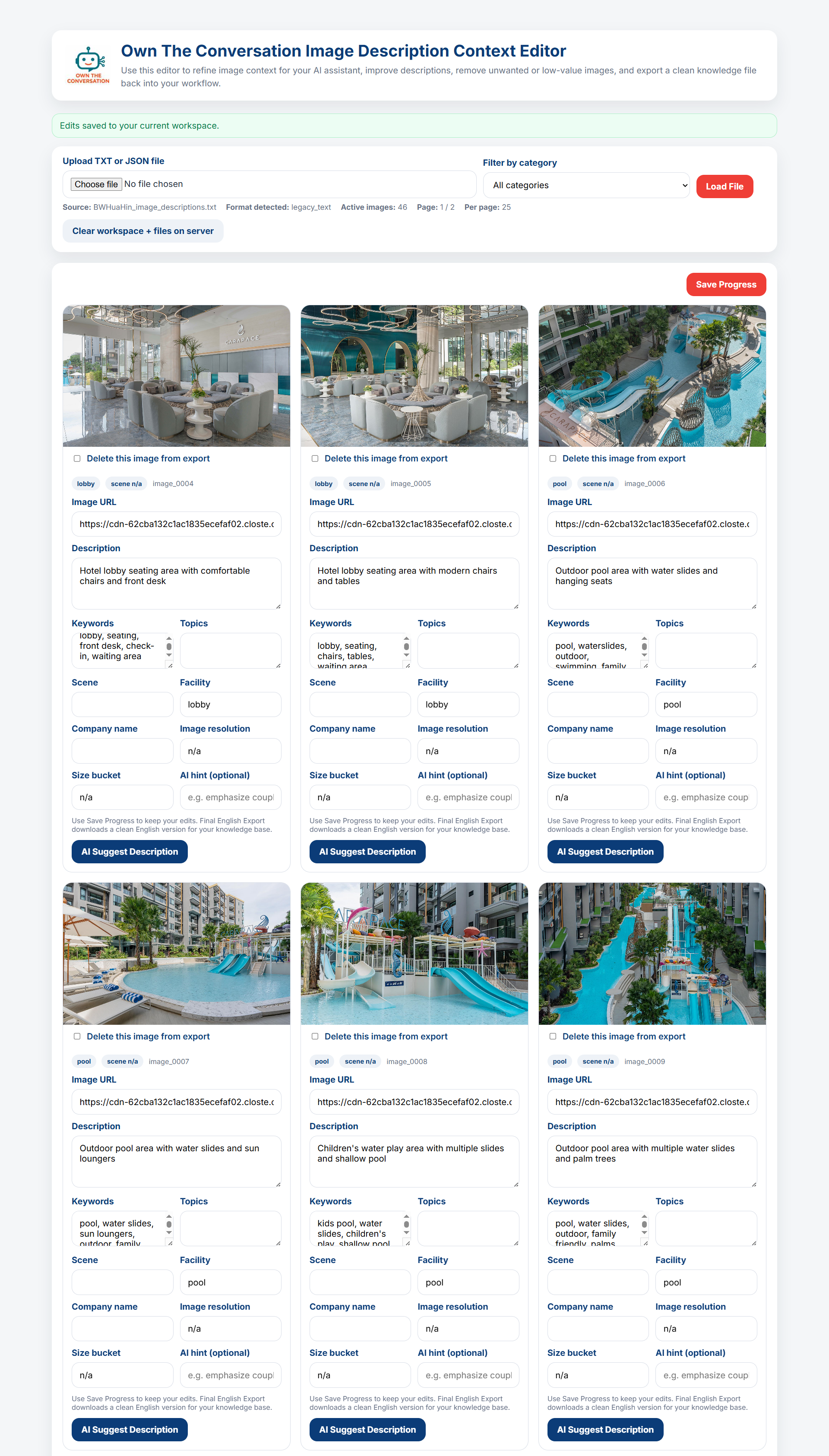
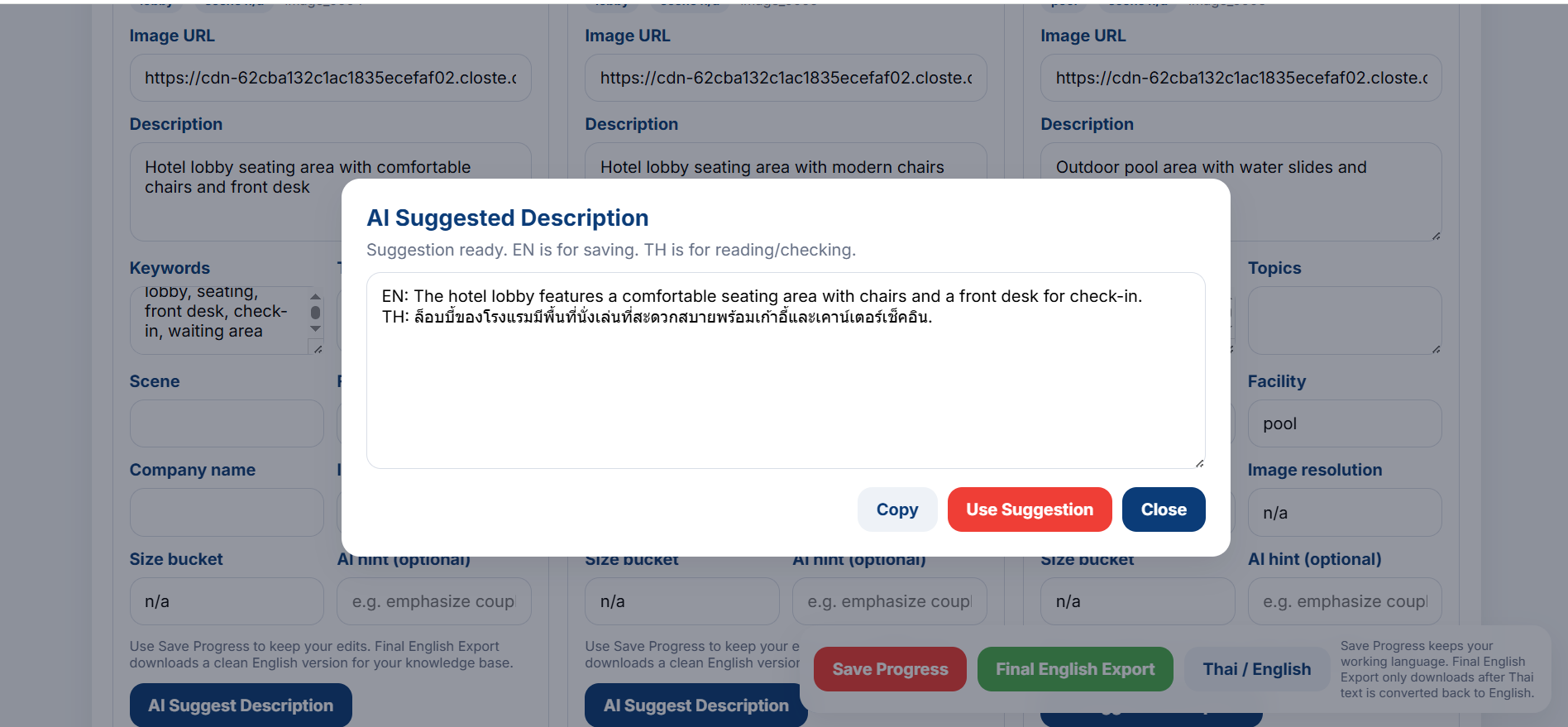
Images are often the quickest way to improve a digital twin because the business already has them. The missing piece is context. A photo of a property, hotel room, pool, product, boat, menu, golf hole or completed job becomes far more useful when it is connected to a clear description, keywords, topics, scene, facility and business meaning.
The image description manager lets clients name images, explain what each photo shows and create a clean image-context file that can be uploaded into the knowledge base. That gives the digital twin a fast source of visual context for accurate answers without waiting for a full vector rebuild.
Built-in AI assistance helps turn a rough filename, short title or basic note into a more useful business description. It can suggest clearer wording, stronger keywords and better context so the image becomes part of the knowledge layer rather than just a picture on a page.
This is especially powerful for real estate, hotels, tourism, products and proof-of-work businesses. Property photos can explain rooms, pools, views and lifestyle features. Hotel photos can explain facilities and guest experiences. Product photos can explain use cases and details. The same image context can then support answers in multiple languages.
The result is simple: your images stop being silent files and start becoming useful evidence inside your AI twin. This is one of the fastest wins in the whole system.
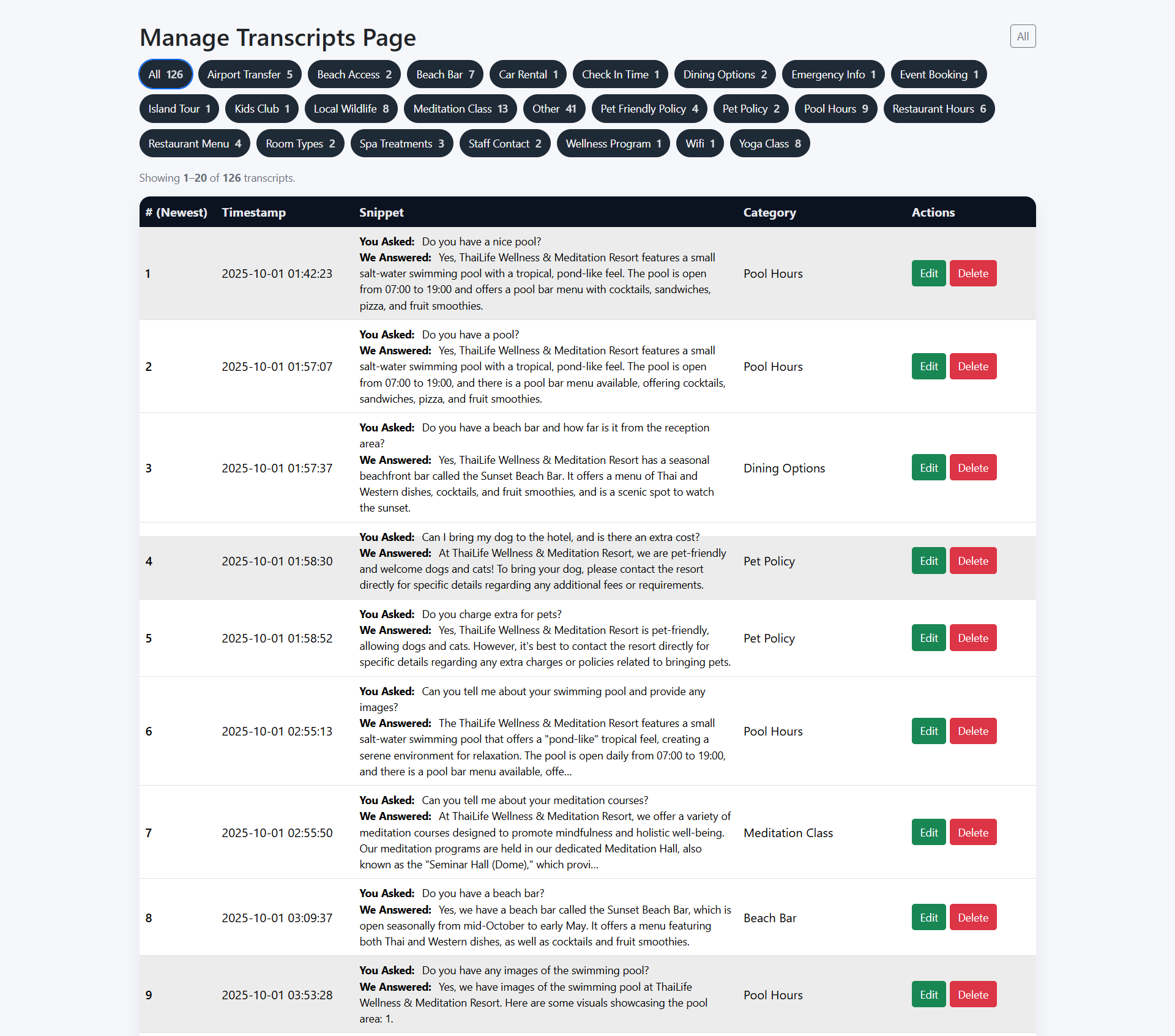
Every useful customer question can become part of the business knowledge layer. The transcript manager lets questions, answers and categories be reviewed, edited, improved and saved, so the digital twin grows around the things people are actually asking.
This is a major part of owning the conversation. Instead of letting valuable customer questions disappear after a chat session, they can be turned into structured Q&A content, public-facing output pages, searchable transcript material and future knowledge for the assistant.
The business can edit a transcript, improve an answer, correct wording, refine the category and keep the best version. AI can help polish the content so it reads well for humans while still giving LLMs a clearer, more structured source to understand.
Over time, this creates a living answer layer: real questions, useful answers, better categories, stronger public pages and a constantly improving digital twin. That is very different from a normal chatbot that answers once and forgets.
Example: Real Estate
A property business can upload CSV data, listing text, suburb information, property images and FAQs, then keep the digital twin current as properties are added, updated or removed. Image context matters here too: AI can understand a listing more clearly when the photos are connected to proper descriptions.
Built For Live Information
Real estate is the obvious example, but the same logic applies to hotels, tourism operators, marine dealers, wellness retreats, golf courses, legal firms, local directories, product suppliers and service businesses.
The aim is simple: keep the information clear enough for humans, structured enough for AI systems, and current enough that your business is not losing visibility to a competitor with cleaner data. If they keep their listings, images and facts current and you do not, AI systems may have more to work with when recommending them.
Multilingual By Design
When the underlying business knowledge is clean and structured, the assistant can explain the business in the customer’s language more reliably. That is especially important for tourism, hotels, golf, real estate, wellness and Thailand-facing businesses working with international visitors.
The control layer helps keep the source information accurate. The AI assistant can then turn that controlled knowledge into clearer answers across languages and interfaces.
Plain English Outcome
The visible assistant is the front door. The managed digital twin is the product behind it.
Ready To Manage Your AI Twin?
Show us your business, your data and the information that changes most often. We will explain how the digital twin, control centre and AI visibility layer can work together.